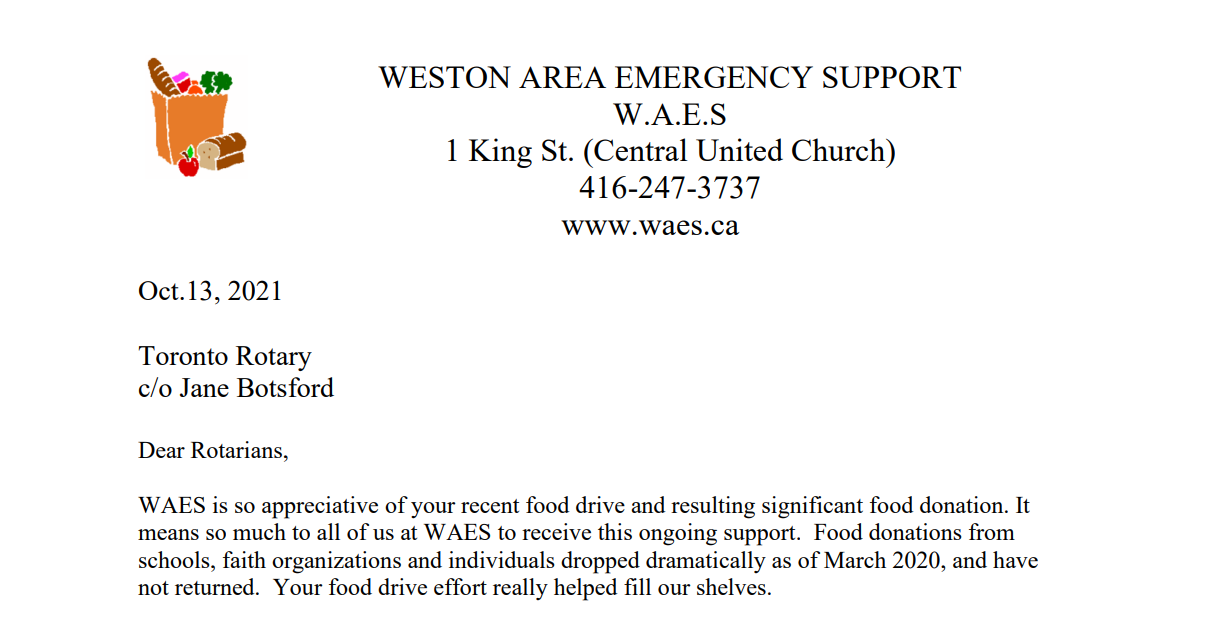
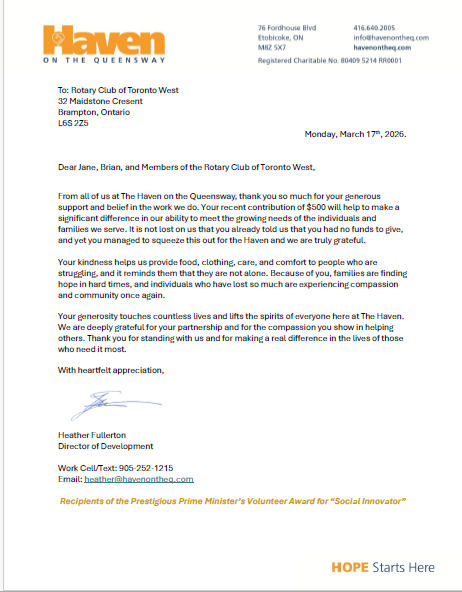
Thanks From Our Partners 

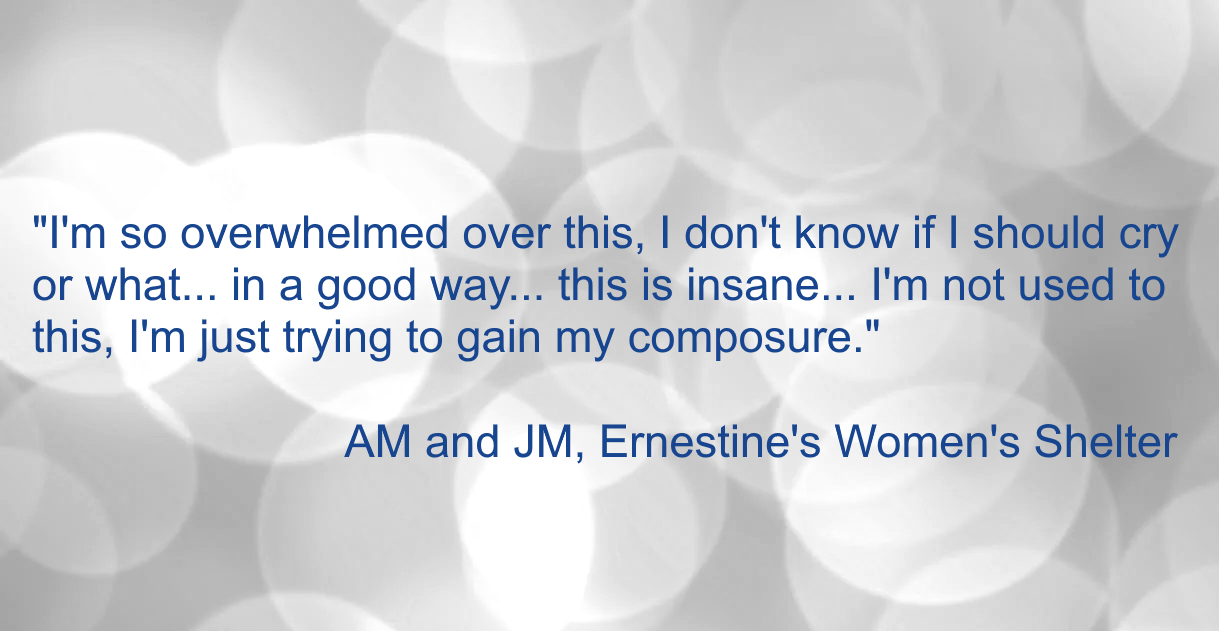
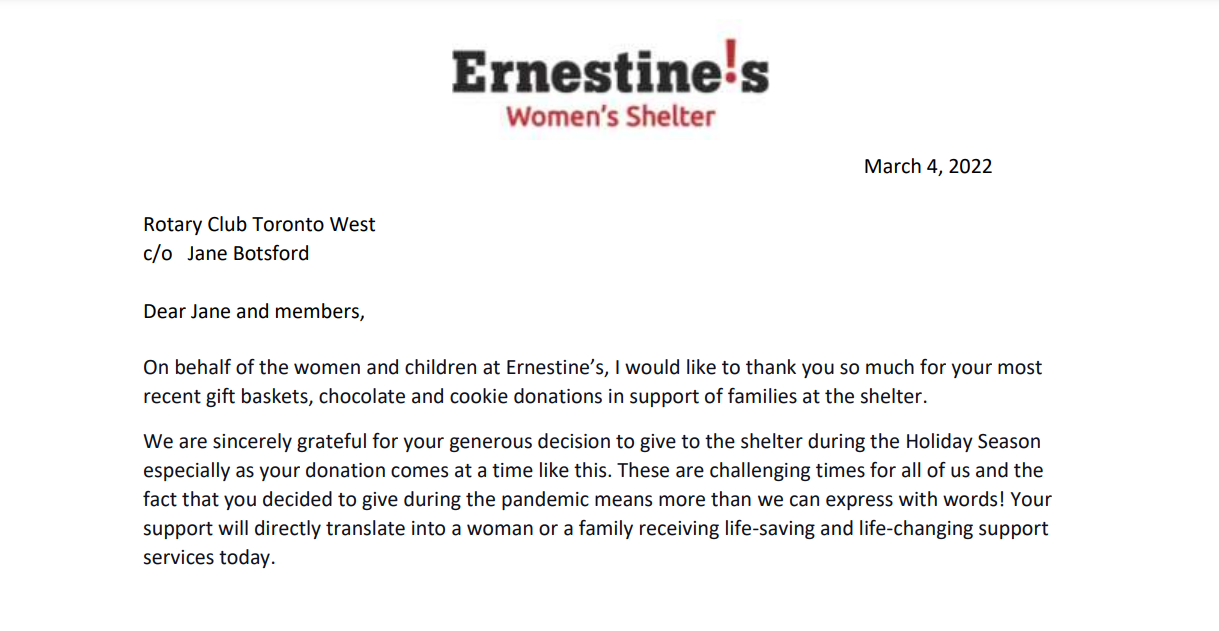
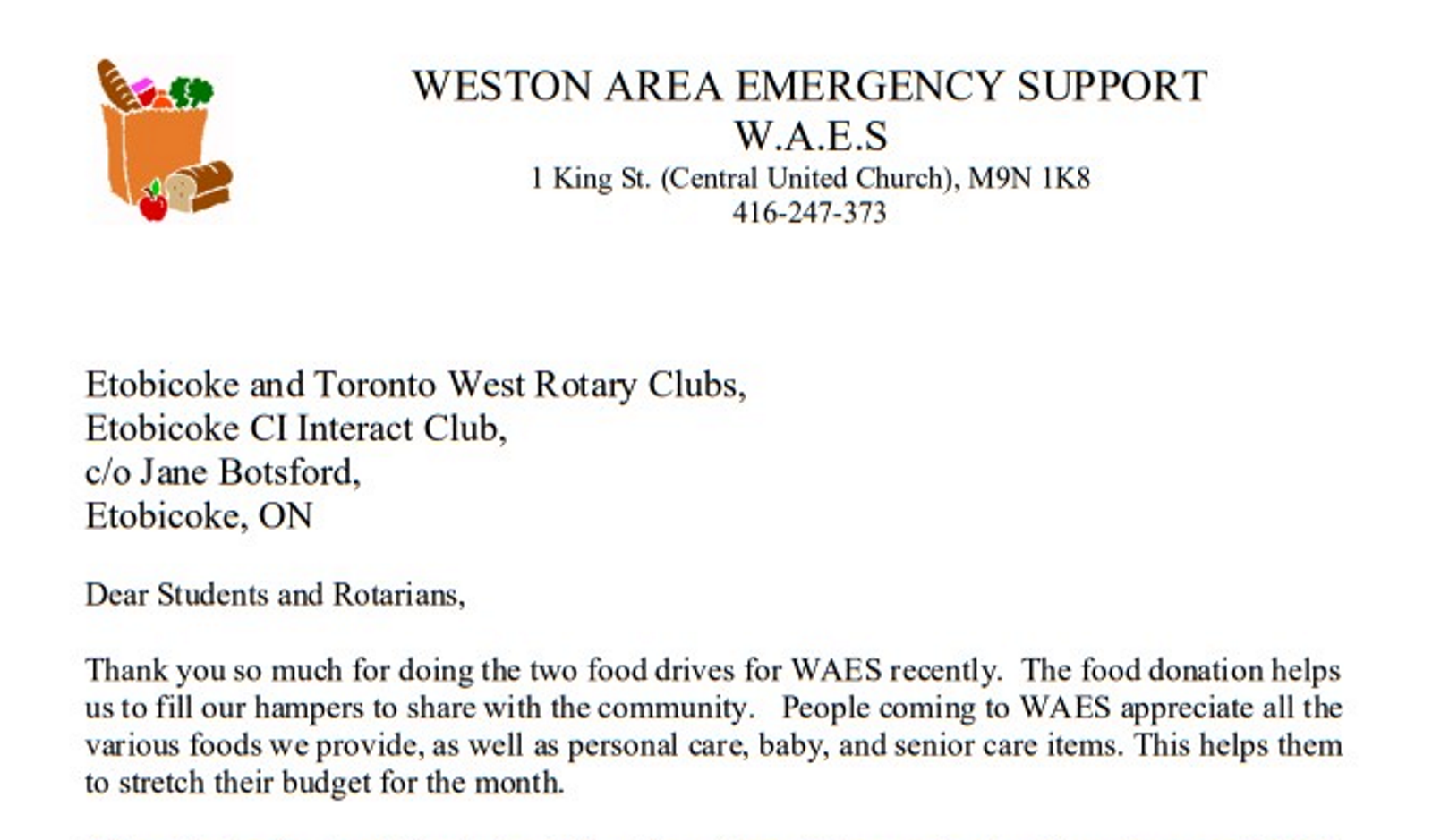
Access the full letters from this page.
CLUB STORIES
The article below was written by Paul Waldie and originally published in the Globe & Mail on August 1, 2025.
 

Pitching in: Building schools and health programs in Cambodia

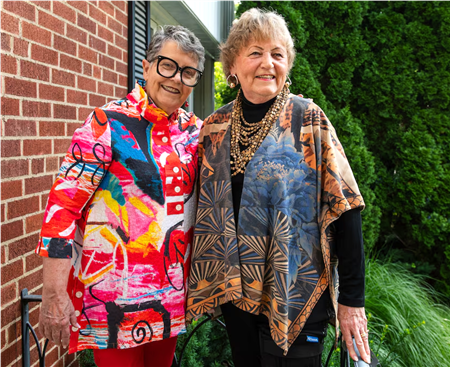
The organizers: Patti Lee, Barbara Seagram and Alex Kornel

The pitch: Creating the Southeast Asia Support Organization

The cause: To fund education and health programs in Cambodia

Retired nurse Barbara Seagram has been a leading figure in the world of bridge for decades. She’s written nearly 40 books on the game and ran a club in Toronto with her husband Alex Kornel that was one of the largest in North America.

Ms. Seagram and fellow bridge enthusiast Patti Lee also organize cruises and travel tours for bridge players. Several years ago they were planning a trip to Vietnam and Cambodia when they came across a Canadian teacher at a school in Cambodia who was trying to buy bicycles for students.

“We found out it was only 50 Canadian dollars a bike,” Ms. Lee, 79, recalled from her home in Toronto where she used to work for IBM Canada. “We thought, that sounds like a good thing for us to do. And so we started raising money.”

They delivered 40 bikes during the bridge tour in 2011 but quickly discovered a greater need. The school had no desks or chairs and a hole in the floor which served as a toilet. “We said to each other; ‘They don’t need bikes. They need a school’,” Ms. Lee said.

Pitching in: Raising money for charity that helps people understand the legal system and their rights

The women began a fundraising campaign among bridge colleagues and raised $24,000 to build a new school. They didn’t stop there.

They created the Southeast Asia Support Organization and started raising money for more schools and health programs. They’ve built four schools so far that instruct 525 students and employ 14 teachers and librarians. The schools augment the state system by specializing in subjects such as English, hygiene and computer skills.

The non-profit organization has also installed toilets and handwashing stations in 32 schools and 60 villages; and they’ve improved access to clean water at 26 health centres. They also work on local projects with an American charity, the Banyan Tree Organization, and they are connected to the Canadian Landmine Foundation.

Ms. Lee and Ms. Seagram, 76, raise more than $100,000 annually to fund the programs and they take turns visiting Cambodia every year.

“It’s very heartwarming,” Ms. Lee said of the growth of the organization. “When I stand back and realize what we’ve actually done, it even kind of astounds me. Because it started very small and you can see how much it helps the community.”

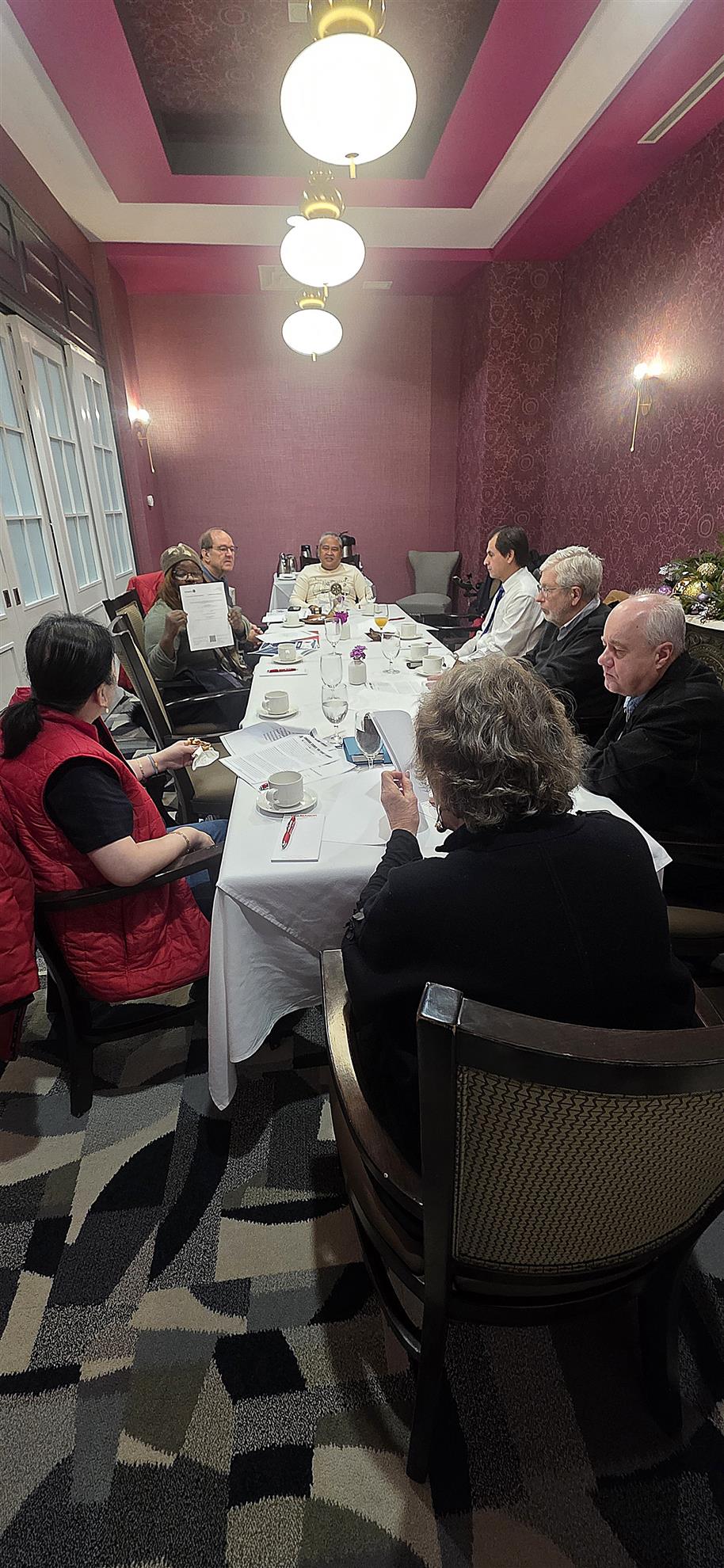
RTW club member Patti Lee gave a presentation today on the impact of landmines, globally and in the country of Cambodia. Her opening statement was attention grabbing:
 
"You are going to find this ... disturbing".
 
She was right.
 
Cambodia has been the target of cluster munitions and landmines as the legacy of decades of war; estimates for the unexploded ordinance range from 4 million to 10 million.  An estimate of the number of people living with landmine-related amputations is approximately 40,000 - one of the highest rates in the world.
 
Patti explained the history of landmine activism in Canada, dating from the development of the Ottawa Treaty as an outcome of the October 1996 conference on the global landmine crisis during which then Canadian Foreign Affairs Minister Lloyd Axworthy challenged a delegation of 50 governments and 24 observers to bring about an international ban on landmines.  While international support for the treaty has waxed and waned over time, Rotary's support has remained steadfast.
 
Please watch these short videos to gain a better understanding of the impact of landmines on the people of Cambodia:


We were joined by Harold Rudy, brother of club member Willis Rudy.  Harold provided a presentation on his 3 month contract with Cambodia as an agricultural consultant.
 
Cambodia is a country with a diet that depends heavily on the availability of rice, as well as potatoes and cassava.  As its principle crop, over 70% of the cropped area is devoted to rice production, constituting 50% of total agricultural output.  As a consequence of upgrading its farming practices, Cambodia has become a major rice exporter to South East Asia.  Harold Rudy is an expert on soil conditions - the issue that has had so much influence on Cambodia's ability to increase its yields. 
 
Although he's not a vet, Harold's trip was supported and coordinated by Vets Without Borders as part of their mission to support human and animal health through agricultural practices that produce stronger crops sustainably.  Vets Without Borders spends more than 85% of funds raised on projects, such as those carried out in Cambodia.
 
Harold's consultation project is of interest to Rotarians because it addresses the following areas of focus: 
  • Save mothers and children - Harold's consultation included women working in key areas rice production, including leadership roles in the rice collectives.
  • Support education - Harold's input teaches about new techniques to improve soil quality and crop intensity
  • Grow local economies - input such as Harold's as contributed to a more than four-fold increase in the dollar value of each hectare of rice
 
 
Rotary International News

Rotary’s History in KoreaThe first Rotary club in Korea was chartered in Seoul on 10 November 1927. Since then, Rotary members in Korea have maintained their commitment to fellowship, service, and leadership through difficult times —

From night markets to tea plantations, American chef Rick Bayless leaves no avenue unexplored as he tastes his way through Taipei. Find out what flavors he’ll never forget. Then, get ready to pick up the culinary journey yourself during the 2026 Rotary International Convention.

Learn how Rotary clubs are taking action in Peru, the United States, Canada, Scotland, India, and the Philippines.

Sustained by donations from nursing women, milk banks provide a lifeline to vulnerable newborns

From vastly different countries and cultures, the first fellows at Rotary’s Istanbul peace center unite around a shared purpose

Co-founded by a Rotary Peace Fellow, Everyday Peace Indicators is working on the challenging task of measuring peace

The Italy-based Rotary Club of Global ROOTS aims to have an international membership and reach and its membership crosses generations and professions